Yoga Nidra

Yoga Nidra, or yogic sleep, was the favorite practice my yoga teacher training class through the entire training. Any time we had a choice for the type of class we were going to take, we voted for Yoga Nidra. Every time. It is a much less physically draining form of yoga, but we didn’t choose this out of laziness or a chance for a nap. Nope, not at all. It was the effect that the practice had on our mental state as well as our physical well-being.

Yoga Nidra is a form of meditation that puts you in a state of consciousness that is between awake and asleep. (This state, hypnagogia, is the “going to sleep” state, not the “waking up” state, which is called hypnopompia.) Being in this state leaves the person practicing Yoga Nidra in a completely relaxed state.

How relaxed? A 45-minute Yoga Nidra has the same effect as three hours of actual sleep. Although Yoga Nidra is not a substitute for actual sleep, many of the same effects as sleep overlap. This relaxation translates into a reduction in stress and a better ability to relax and focus.

Walter Reed Army Medical Center has been using Yoga Nidra to help rehabilitate soldiers in pain, and to help treat PTSD for soldiers returning from Iraq and Afghanistan. In fact, in 2010, the Surgeon General of the United States Army endorsed the practice of Yoga Nidra as a complementary alternative medicine for chronic pain. Hearing this in my yoga teacher training piqued my interest: The United States Army uses *and endorses* this practice in conjunction with other treatments to help deal with physical pain and to help cope with PTSD.

Now that I have listed the benefits, some of you are likely wondering what this class entails and whether you can do poses and nearly sleep. Well . . . there are no poses besides Savasana, the corpse pose. Yes. You are lying down through the entire practice! This is a guided meditation in which the teacher leads you through paying specific attention to different parts of your body. As you focus on how each part feels, you notice if you are holding tension there, release it, and deepen your relaxation. Unlike some other forms of guided meditation, this doesn’t lead you through a series of mental images but asks you to pay attention to your own body and how it feels.

Now that you know a bit about the benefits and how the practice is done, a bit of the history: Yoga Nidra is as old as the practice of Yoga itself. It is mentioned in the Upanishads, in Mahabharata, Book 1, section XXI. This particular epic was compiled between the third century BCE and the third century CE, with the oldest preserved parts having been compiled around 400 BCE. In short, this practice is very old.

As old as this practice is, most of us probably find the concept of just focusing our attention on ourselves and our bodies and how we feel without being distracted to be a novel thing to do. Even if we make time for ourselves or spend time in prayer and meditation, we don’t just spend time paying attention to how we feel, physically. We carve out time to work out or even time to read or get involved with our hobbies. We do not, however, regularly make time to just pay attention to our bodies — to relax and just spend time scanning how we feel. We should.
I haven’t taught since the gyms were closed last month. So here is a video. More blogging to come!

Lenten Promises and Temptations

If we observe Lent by giving something up, there can be temptations. We embark on this spiritual journey through the physical and mental exercise of fasting or giving something up, whether it is food or activity. The passage that I focus on with this blog is Luke, Chapter 4:1-13.

1 And Jesus being full of the Holy Ghost returned from Jordan, and was led by the Spirit into the wilderness,

Being forty days tempted of the devil. And in those days he did eat nothing: and when they were ended, he afterward hungered.

And the devil said unto him, If thou be the Son of God, command this stone that it be made bread.

And Jesus answered him, saying, It is written, That man shall not live by bread alone, but by every word of God.

And the devil, taking him up into an high mountain, shewed unto him all the kingdoms of the world in a moment of time.

And the devil said unto him, All this power will I give thee, and the glory of them: for that is delivered unto me; and to whomsoever I will I give it.

If thou therefore wilt worship me, all shall be thine.

And Jesus answered and said unto him, Get thee behind me, Satan: for it is written, Thou shalt worship the Lord thy God, and him only shalt thou serve.

And he brought him to Jerusalem, and set him on a pinnacle of the temple, and said unto him, If thou be the Son of God, cast thyself down from hence:

10 For it is written, He shall give his angels charge over thee, to keep thee:

11 And in their hands they shall bear thee up, lest at any time thou dash thy foot against a stone.

12 And Jesus answering said unto him, It is said, Thou shalt not tempt the Lord thy God.

13 And when the devil had ended all the temptation, he departed from him for a season.

Please pay special attention to the fact that Jesus was “led by the Spirit,” and that he was not ordered or commanded to do this, but led. There was a reason, but he was not compelled or forced. Neither are we compelled or forced to participate in this observance. We do it because we are led to do so. But in choosing to follow that lead, we have to rely on prayer and God and willpower.


One of the worst arguments I have every year is this:

Me: But I chose to do this. I don’t have to do it.

Also Me: Yes, but you promised. What is your reason for breaking your word.

Me: I didn’t promise. I said I was going to and I changed my mind. ‘All things are lawful for me, but not all things are good for me.’

Also Me: Exactly. Backtracking is not good for you.

Me: (Grumbling) Too hard, it’s my birthday, it’s my kid’s birthday, nothing spiritual about caffeine withdrawal . . .

The answer to this argument is in Jesus’ dealing with the temptation. Have you noticed that Jesus could have changed the rocks into bread? Like water into wine. And he would not have sinned in the act of turning rocks into bread to eat, BUT . . . who told Jesus to do this? Taking orders from the wrong side, for the wrong reason . . . THAT’S the in, not eating something during a fast and certainly not transmogrifying stone to bread if you possess such a skill. The sin is the doubt and taking your commands from the wrong source. The doubt, the second-guessing, the “well, this is optional” arguments, all of it. Who is telling you that this is too hard or it is unnecessary? Where are these thoughts coming from?

You know, in a roundabout way, the devil was right: the kingdom of earth was Satan’s . . . in that mankind gave Satan power of it by allowing sin to control them. I don’t believe any of us will be sinless through all of Lent. I don’t pretend we won’t possibly falter, especially early in the morning before the new habit has settled in, and accidently have toast or coffee or jelly or bacon or forget to read our devotionals or hit snooze (I need to give up the snooze button). Of course we will. However, to choose to cave and give in and turn over our practice of worship to doubts that cannot come from the Lord or offers of flavor or sleep or the effects of coffee or “don’t be weird, drink the glass of wine you were offered” is the where the problem enters. We can evaluate whether this is sin at some other time, but the point is that we get caught up in what we are missing out on and forget to notice what we are gaining.

Gaining? Yes. More than just bragging rights, we gain control of our minds, perhaps we gain healthy habits, we gain spiritual insight and strength. We even gain blessings. We gain our power back, too. Not for ourselves, necessarily, but we win a battle. A battle of wills, a battle of mind and spirit over body, and a contest for our devotion.


We don’t have to observe this. Many Christians don’t. Many denominations have never considered it. It is not required. But if you do it, notice how much you start to doubt or weaken and WHEN. Write that down. Observe it. Take note of how you handle it. Are you craving a steak because you feel physically weak and you fainted? Re-evaluate your nutritional needs and the possibility of either changing your diet or giving up something else (and call your doctor!). Or are you craving that steak because it was a bad day and you passed a steak house on the way home and you’re sad? Okay, was it a bad day or was it a few short events that you allowed to undermine you? Is it always right after work or as soon as you wake up? Is it a habit that you do mostly from muscle memory and reflex? Write yourself notes about it. Or are you choosing to do this because you just don’t have faith that you can finish? That you aren’t strong enough?

You can do this! Stop listening to the negativity. Stop producing your own self-defeating thoughts and negative mindset, as well. Smile and know that you have strength enough to go without adding sugar to your coffee for 44 to 45 days (Yes, Lent is more than 40 days. Look it up.) because you don’t need to give into doubts or a lack of faith, even in yourself. You know what else you can gain by giving something up?* Knowledge of how to deal with your own doubts and temptations. You can apply those to many aspects of your life. Every aspect.

Just always ask yourself: “Who says I can’t? Why can’t I? Where is this coming from? Why should I believe this?” Now enjoy your fast.


*Yes, you may lose weight or gain muscle, too. This can happen, whether it is your goal or not.

Guest Blog by Harry Cline: Starter’s Guide to Yoga and Meditation for Seniors

q0357085.doc

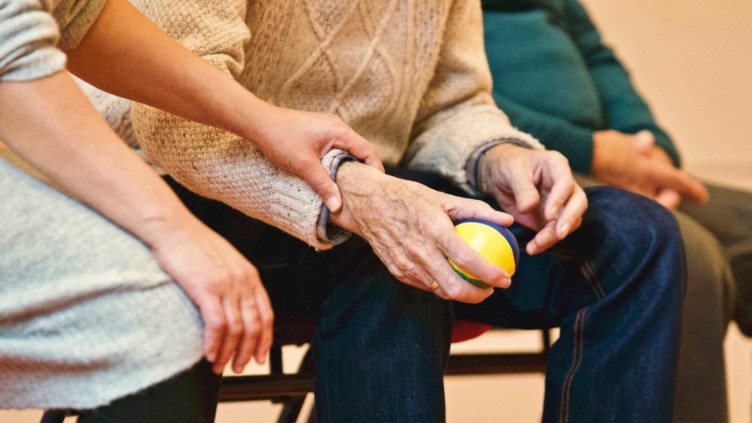
Harry Cline contacted me last month about this guest blog and I am terrible about checking my emails. This is a wonderful article for seniors and their caregivers to help build and maintain mental and physical capabilities in a way that is best suited to the abilities of seniors.

Starter’s Guide to Yoga and Meditation for Seniors

As we get older, many of us strive to find a new exercise and wellness routine that will allow us to age gracefully into our elder years. Exercise plans used by the younger crowd are simply not designed to meet the older population’s needs and abilities. While many in the younger population can get lots of benefits from cardio and weight training, many seniors need exercises that boost their mental well-being and improve their flexibility.


Luckily, yoga and meditation can help in both of these areas. Here is what you need to know before starting your own yoga and meditation routine.


Create a space for your practice


In order to maximize the benefits of an at-home yoga and meditation practice, you should find a space where distractions are minimal and there isn’t furniture or other knick knacks that could cause a safety issue. If you don’t have a spare room waiting for its own unique purpose, Angie’s List notes that one great option is using a formal dining room that doesn’t see a lot of action, since many families opt to share meals at a smaller kitchen table. You might consider moving your dining table to the kitchen (or even selling it if you rarely use it), which will carve out a great space for your yoga mat and offer you plenty of room to move through the poses.


Practice gentle yoga


There are many, many different kinds of yoga, and some offer more benefits for seniors than others. For most seniors, gentle yoga is usually a good starting point, especially if they have never practiced yoga before. Gentle yoga is just what it sounds like – gentle. According to Livestrong, it provides seniors with the chance to improve their flexibility, mobility and strength without the risk of injury and overexertion that many other exercise routines and types of yoga can cause. There are lots of gentle yoga routines available online, and many of them are directly created for seniors and their caregivers. Many of these routines do not take much time. In fact, a routine found on Yoga with Adriene only takes 28 minutes, which is short enough to be added to anyone’s daily routine.


Choose meditation that you enjoy


Just like with yoga, there are lots of different kinds of meditation. However, most of them provide the same benefits. Meditation for seniors is shown to slow down the progression of Alzheimer’s disease, enhance digestion and lead to a sharper, more focused mind. Meditation does not have to involve sitting cross-legged and staying silent for hours on end. In fact, you can even do meditation while walking. Meditation should be about whatever works best for you. If you choose a form of meditation that you like and change things up if something isn’t working, you’re more likely to stick with your routine and reap the full benefits of your practice.


Meditation and yoga are often combined


In many types of yoga, meditation is often performed at the end. You do not have to set time aside for yoga and then set more time aside for meditation. Instead, both can often be done at the same time, and the benefits of both are multiplied when done together. In fact, it is often recommended that meditation and yoga be performed together to get the full mental health benefits out of both.


Meditation and yoga can boost your mood


Perhaps one of the biggest boosts meditation and yoga can provide, especially when done together, is the ability to boost your mood. This mood-lifting effect has the obvious benefit of making you happier and better able to handle stress, but this mood boost can also help you avoid many mental illnesses, such as depression and even drug addiction. In fact, meditation and yoga are commonly used to facilitate addiction recovery. Those with addiction are more likely to relapse when stressed. The mood-boosting effects of meditative yoga can help them counteract this stress and allow them to better cope without the use of drugs. Furthermore, for many people in recovery, having a good relationship with their physical self is just as important as having a good relationship with their spiritual one. Practicing meditation and yoga allows them to do both.


Meditation and yoga have a number of health benefits for seniors and allow them to age gracefully both physically and mentally. To get the full benefit, we recommend doing both together, either simultaneously or one after the other, once you get the hang of it. Follow the simple tips in our article to get started on your routine today.


Photo Credit: Pexels


Harry Cline is the author of The A-Z Home Care Handbook: Health Management How-Tos for Senior Caregivers and creator of NewCareGiver.org, which gives advice and directs caregivers to important resources.

Guest Blog by FitSheila: Adding Exercise to Your Daily Routine Can Help Beat Addiction

This is so timely. When Sheila presented me with this blog post, I was grateful. The numbers are staggering for addiction, overdoes, and death, especially in my home state. There are record numbers of children in foster care because their parents are addicted to heroin and opioids. Unfortunately, one component that is often overlooked in sobriety is exercise. If one wants to stay clean, daily exercise, as Sheila explains scientifically and logically below, is a great tool. Please read and learn how this can help you, someone you love, or your clients if you’re a trainer.

Q0342334.DOC

Image via Pexels

Adding Exercise to Your Daily Routine

Can Help Beat Addiction

America has an addiction problem. According to the surgeon general, one in seven people will face a substance abuse problem in their lifetime and an American dies every 19 minutes from opioid or heroin overdose. Surveys have found that nearly half of the people in the country have a close friend or relative who has been addicted to drugs. And all of these statistics can’t take into account the people currently in denial of their drug or alcohol problem.


Addiction is a disease. Repeated drug and alcohol abuse create changes in the brain and body that lead to compulsive use. An addict will use their substance of choice despite serious health and social consequences because their body tells them they need it to feel normal. In fact, the word “addiction” is derived from a Latin term for “enslaved by” or “bound to.”


How Addiction Affects the Brain


Over time, addiction manifests in three different ways, causing the user to:


  • Experience cravings for the substance
  • Lose control over its use
  • Continue to use despite adverse consequences. People who have never experienced addiction have a hard time accepting these behaviors. After all, using drugs or taking a drink are both, in essence, choices. No one is forcing an addict to use. The neurological changes that substance abuse creates are the basis behind the addiction disease model. Addictive substances create shortcuts to the brain’s reward system by flooding the nucleus accumbens with dopamine– a neurotransmitter that creates the experience of pleasure while also playing a role in learning and memory. Over time, the brain adapts in a way that eventually makes the substance of choice less pleasurable. The person has to use more of the substance and compulsion to use takes over. The cycle of use, reward, desensitization, and compulsion continues until the addict breaks it. The physical compulsion for a substance combined with genetic risk factors contribute to the disease model. Exercise for Addiction Treatment and Recovery Addiction treatment is multi-faceted and changes from person to person. First and foremost, an addict must recognize they have a problem and stop using addictive substances altogether. Depending on the substance, the addict may benefit from medication to help with withdrawal symptoms and cravings. People suffering from addiction should also seek counseling and mental health treatment in order to address underlying problems that contribute to substance abuse. Beyond professional help, people dealing with addiction benefit from creating a daily routine that provides structure and discipline. Routines cut down on anxiety and keep a person too busy to turn towards their substance of choice. They also keep people on track when it comes to counseling, healthcare, and employment. Adding exercise and meditation to a daily routine can be especially beneficial for those suffering from addiction. While exercise can be performed in a variety of settings, it is helpful to designate and make a specific meditation room for you to clear your mind.As outlined above, addiction changes how the brain functions. Exercise can actually help reverse some of these changes. When a person is physically active, the brain releases various neurotransmitters including endorphins, serotonin, and– you guessed it– dopamine. Endorphins and serotonin can help reduce pain while promoting feelings of happiness and well being, which are helpful for addicts in their own ways. But that surge of dopamine a person gets from exercise helps retrain the brain and reduces cravings for the substance of choice, as well. Over time, the brain recovers from the damage inflicted by addiction. Tips for Adding Exercise to a Routine


  • Make a goal to move more and ignore things such as the number on the scale. When we feel like we aren’t making progress, we are more likely to give up. If your only goal is to move more, you succeed with each day you exercise.
  • Sign up for a gym or a fitness class. People are motivated to exercise when there is a threat of financial loss. If you pre-pay for something and don’t use it, that’s money down the drain.
  • Consider adopting a dog. Pups need to be walked multiple times a day, meaning you have to walk multiple times a day. Only adopt a dog if you are prepared to make the financial and emotional commitment to one.


***


Addiction is a disease that creates changes in the brain that lead to compulsive and uncontrollable behaviors. Recovering from addiction takes many therapies including professional counseling and medication, but a daily routine including exercise can be a big help as well. Exercise reduces cravings, improves discipline, and can even reverse the neurological changes and damages created by consistent drug or alcohol abuse.


To read more by Sheila Olson, please visit her site http://www.fitsheila.com.

Your Diet and What You Might Be Lacking –Check Your Blood

One of the topics in my personal training coursework dealing with nutrition addressed vitamin and mineral deficiencies. Diet is a large portion of fitness. You can lift or run all day, but you’re still going to be unhealthy and you’ll never meet your fitness goals if you don’t put in the fuel and nutrition that your body requires to run well and to heal and grow. Twinkies do not produce lean muscle and you cannot get everything you need to survive by eating the same salad for lunch everyday, the same English muffin for breakfast, and the same dinner every night. But how do you know what you lack? Well, that is where medical professionals come into play.

I personally deal with being anemic and I have to keep tabs on that with quarterly blood work. But I felt really drained for a few weeks — think first trimester exhaustion, complete with crying, but I am not and was not pregnant. I addressed this with my doctor at my last checkup. She ordered tests for my thyroid and iron levels and a few other possible deficiencies. I got a call the next day explaining that I needed to pick up prescriptions for iron supplements, Vitamin D, and to purchase an OTC B12 supplement to be taken daily. When my blood work was posted and I could read the results, I was shocked. My D was waaaay too low.

So how did this happen? Who knows. It could be fallout from something that my body did or did not do after my tonsillectomy, or due to all the rain that has prevented me from running outside (which is not my favorite location, anyway), my devotion to using sunscreen (I burn easily), or the lingering intestinal effects caused by my body’s going through C Diff* a few years ago making it difficult to absorb necessary nutrients, vitamins, and minerals. It doesn’t matter, really. What matters is that I needed to get these things under control, and fast. Vitamin D deficiencies are linked with inability to process minerals, causing anemia, rickets and other low mineral diagnoses; there is a correlation to an increased risk of cancer; cardiovascular disease, and don’t forget cognitive impairment and depression. Yikes, right?

Well, my mind went back to the textbook for the personal training certification, in which the practice of getting a doctor’s diagnosis for any deficiencies before drafting nutrition programs was stressed. Why? Because anemia causes fatigue. Because there are a multitude of other deficiencies that make certain dietary restrictions impossible or others that make certain restrictions a requirement. When helping clients to plan their nutrition to see the outcomes (gains and/or losses) that they need, deficiencies and the way these cause the body to react to physical exertion and training need to be addressed. There is not one-size-fits-all nutrition program/diet for any specific outcome. Lactose intolerance? Caseine intolerance? Celiac? Anemia? Difficulty absorbing Vitamin B12? Or too much of anything (iron or calcium, as a few examples)? These could interfere with progress toward fitness goals and with overall health.

My point with all of this is that until you get all the information, you cannot construct a nutrition plan to help you to reach your goals or to maintain the goals you have set. So get to the doctor, get the blood tests run and make your plans based on where you are right now. The setbacks caused by your body not being able to process enough oxygen can undermine your cardio, and bone deficiencies require treatment. The fatigue from an iron deficiency is real and has a physical and chemical basis, so this needs to receive treatment or progress cannot be made. High cholesterol? Yeah, we have all read the reasons why this needs to be addressed: heart attacks are not pleasant and often lethal. Low Vitamin D? That causes a negative effect on a person’s mental health, as well. Talk about not wanting to lift . . . or run . . . or get out of bed. Impairing mental function is unsafe and frustrating, as well.

Go ahead and schedule that doctor appointment now so that you have the information to construct a nutrition plan (‘diet’ if you must call it that) that addresses your needs. Deficiencies don’t inspire the weight loss people seek, and can inhibit it, so don’t even let your mind go down that path. Get your blood drawn and tested and use that information to improve your health and work toward your goals. In the event that I was still too verbose: Schedule an appointment with your doctor and request blood work now.

After you have the information you need, then you can see how you need to change what you eat to be healthy and fit and to create the physique you want. And if it is determined that nothing is amiss? Then congratulations! You are in the position to basically use a template with no adjustments to work toward achieving and maintaining your goals.**


*As your fellow human, I advise you to research C Diff and do all that you can to avoid it. Trust me, it is miserable (and can be life-threatening). The pain is excruciating.


** These levels can and do change. Please see your doctor at least once per year to keep track of these levels and any that I did not mention.

Guest Blog: Don’t Sell Your Health Short

As I have been recovering from my tonsillectomy, this blog, written by Sheila Olson, was presented to me for publication on BarreBarreBella. It hits home. I was not exactly healing well and I had barely cut down on my workout routine from before the surgery. The very beginning of the article addressed what I was doing wrong and what I have been doing incorrectly for a while. Sleep? Who needs that, right? Wrong. Although recovering from a tonsillectomy, which is usually reserved for small children because they heal faster (smaller blood vessels, healing is faster because the are still growing), I was still going full-tilt. So this blog hits home for me and I am grateful for Sheila’s words at the moment that they arrived. Please take this to heart and take care of yourselves. For more of heMs. Olson’s sage advice, go the FitSheila.com.Q0323083.DOC


Don’t Sell Your Health Short: Tips for Including Self-Care in Your Everyday Routine

Being diligent about getting regular physical exercise and eating right doesn’t necessarily mean you’re taking good care of your overall health. People often overlook those important activities to support their physical, mental, and spiritual health. Ignoring any one of them means you’re doing yourself a disservice and failing to make the mind-body-spirit connection. Self-care should address every aspect of one’s overall wellness. It sustains you in ways that exercise, by itself, cannot. Here are a few examples to help you begin thinking in terms of self-care.

A Good Night’s Sleep

In today’s “get-to-it-faster-and-do-more” world, sleep sometimes takes a back seat. That’s a common mistake, and it’s self-defeating: losing sleep means you’re losing energy, mental focus, and the ability to fight off illness. And you can’t skimp on sleep for four or five days and hope to get caught up and start from scratch over the weekend. You need a good seven to nine hours of good, restful sleep every night, not just once in a while. This is one self-care action that should always be at the top of your priority list.

Quiet Time

Day-to-day living is hectic, and stress takes a mental and physical toll on you. Everybody needs some downtime, a period of quiet rest and contemplation to process experiences — both good and bad — and keep our lives in some perspective. It sounds cliche, but ignoring opportunities to do restful things — whether it be a nap, a walk in the woods, meditating, dreaming, or gardening — can leave you feeling run down and overwhelmed. The brain needs time to sort things out, free of non-stop stimuli from the media, internet, and people who make demands on our time. Do yourself a big favor — take time to relax every week.

Make Time for Playtime

Just as the brain needs time to rest, your body and soul need time to play. It’s important to your physical health to exercise, but your spirit needs to be nurtured by activities that bring you joy. It could be whatever you wish there was more time for, things you swear you’ll do on vacation but never seem to get around to during the week. For some people, it’s reading and getting caught up on all those books that stack up on you but never get read. Golf, tennis, biking, and hiking are important leisure-time activities for many people who relish that feeling of deep contentment that it provides. Relaxation and play are essential to one’s overall health, and they’re important enough that you should reorder your weekly schedule to accommodate them.

Making Time

For people who lead busy lives (which is most of us), there’s a tendency to feel that sacrificing self-care is necessary though regrettable because there’s money to be made and work to keep pace with. Instead, try rethinking your schedule so that enjoyable activities become part of your everyday routine. For instance, try waking up 30 minutes early in the morning just to spend time reading, journaling, or going for an early-morning walk or run. Maybe it means using a few lunch hours each week just to listen to your favorite music or sit quietly in a nearby park. Anything that makes you feel good and restores mental energy is worth an hour of your time.

Exercise and Addiction Recovery

Regular physical activity has been proven effective at helping people who are struggling with drug or alcohol addiction. Exercise stimulates neurotransmitters in the brain that make you feel good, lift your mood, and enhance a sense of overall well-being. If working out in a gym isn’t a possibility, consider participating in a team sport, take a group class, or dial up a workout video on YouTube a few times a week. Remember, your body is still healing from the effects of addiction, so don’t overdo it.

Remember, neglecting self-care can undermine other efforts to lead a healthy lifestyle. Exercise and eating well are important, but so are quiet reflection and time spent enjoying a favorite activity. Try looking at it as part of a well-rounded routine for staying healthy physically, mentally, and spiritually.

Image courtesy of Pixabay.com

All the Meals Meal Prep

We know planning our weekly meals is important. Ya know what else is? Planning the family meals (dinner) during the week. Yes, even for gymnastics night, archery practice, football, swim meets, cheer, et c. You know why. Those kids get hungry. Before practice, before dinner, before tutoring, on the way home. What is their suggestion? What is usually the quick solution the stressed-out Mom and/or Dad chooses? The Drive-Thru. (That spelling makes my soul cringe.) A pizza. The gas station. Defeat. A pyrrhic victory: the kids are fed but victories like this lose the whole war.

Why?! At least half the time we cave and get *something* from the menu. A fizzy drink, a small burger, a taco, “just one little” dessert, or we’re weak with brain fatigue and postponed nutrient consumption and BAM! We order a combo, uber-size it, and feel like crap as the fiber-free, necromancically-engineered pseudo fat-laden calories, devoid of any nutritive value all but stops your peristalsis movement and fills your arteries with a plastic-like cholesterol-and-chemical substance settles in faster than everything except your guilt for letting yourself down. Why? Exhaustion, poor planning, and a socially-constructed guilt that causes us to feel like losers if we serve a cold dinner out of bags.

Let’s address the last part first: dinner does not have to be hot. I repeat: dinner does not have to be hot. I said it, I stand by it, and I mean it. Okay, so I wrote it instead of saying it. The rest is wholly accurate, however. You pack a cold lunch for yourself or your kids, right? Why not dinner? Hmmmm? Oh, because you’re supposed to sit around the table together eating a freshly prepared meal and discussing hopes, dreams, events of the day, and enjoying each other’s company? I hope you find what you are seeking, because that very dinner time experience was what Bono was looking for. He didn’t find it, either.

You know when your late nights are. You know when there’s a volleyball tournament or basketball game, when two kids are cheering at two football games at opposite ends of the county. Pack a dinner. Pack brown bag dinners. Seriously. You can be in charge and pick what you eat and eat at the time you want to eat if you have a lunch pail ready to travel to soccer games or youth group or your book club or anything else.

Do you still want a hot meal? Okay, get a thermos and put your soup in there. Get a cooler or other insulated bag and put your sliced roast beef into it. Now get a cooler that will all but take up residence in your trunk, keep your salad base, ice, et c. Oh, but there Are other ways to pack hot meals, too! Those heat packs? (Especially the reusable kind.) Use those.

Do not limit yourself. Do not think you have to break down and get fast food because it is getting too late to cook, you can’t get back to the house, and your quiz bowlers/dancers/soccer players/swimmers or YOU are hungry and you just can’t wait. Pack your dinner. Have a picnic in the “way back” of the car, the parking lot for hockey practice, or drink your soup after your workout and before choir practice. A busy evening is no longer an excuse to treat yourself badly.

(Yes, you can keep lasagna hot in an insulated casserole carrier.)


Enjoy your evenings!